What are the benefits of process-based art?
Anyone can be an artist.
Yes. That’s right. This is a bold statement to make since so few people consider themselves an “artist”. Though only a small segment of humans make their living as a professional artist or might consider art their passion, that doesn’t mean art is something unattainable to everyone.
Art tells our story but how do we discover what we want to say? How do we find our inner strength, build confidence and become the culture bearers of our own life? Art is a process through which one's worldview takes shape, cultural awareness is enhanced, and social emotional development takes place. Process-based art builds self-awareness, social awareness, relationship skills, responsible decision-making and promotes mental health. Artists become culture bearers and storytellers.
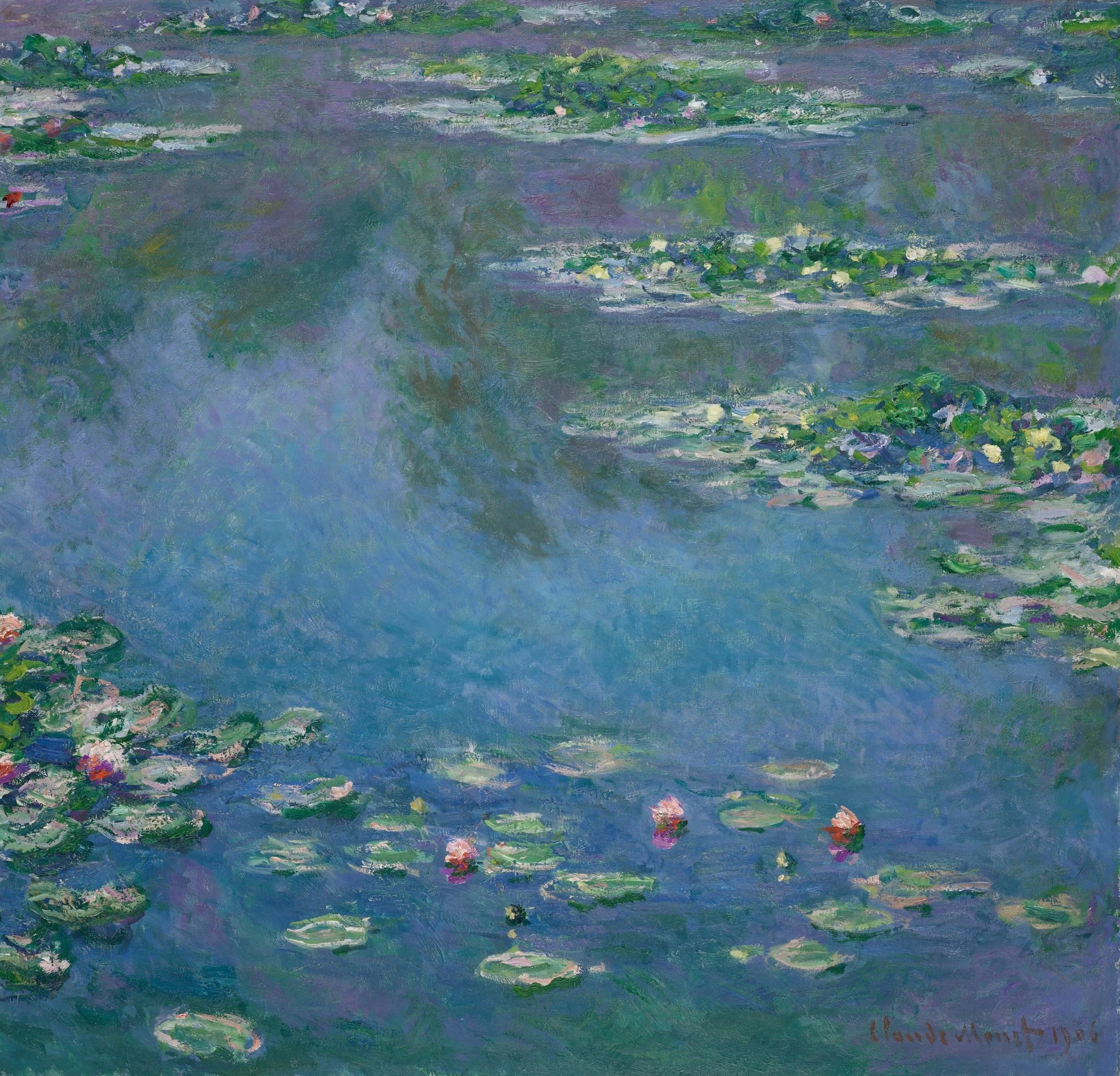
Maybe you have heard someone say “I’m not good at drawing” or “I could never make anything that looks like that” when viewing art. Maybe you have said these things yourself. That is because we were raised to believe art requires perfection and compare our skills to others. We are surrounded by a product-based art world where if you can’t draw Van Gogh’s sunflowers or paint Monet’s water lilies, then you’re not an “artist”. This temptation for comparison, robs us of the joy that exploring and making art provides.
From an educational standpoint, it bears mentioning that art is part of STEAM (science, technology, engineering, art and math). When children and adults engage in process-based art, they are activating parts of their brain involved in inquiry, imagination and critical thinking. There is a great amount of research in the cross-curricular and academic benefits of incorporating art, especially process-based art, into the classroom.
So, how is process-based art different? It is about inquiry and experimentation with art materials. It is about exploring. It is about seeing ourselves as culture bearers. Through process-based art, we unleash the artist deep within and discover our own story.
Not convinced? Read our Blog to see peer-reviewed research articles on the subject and our thoughts.